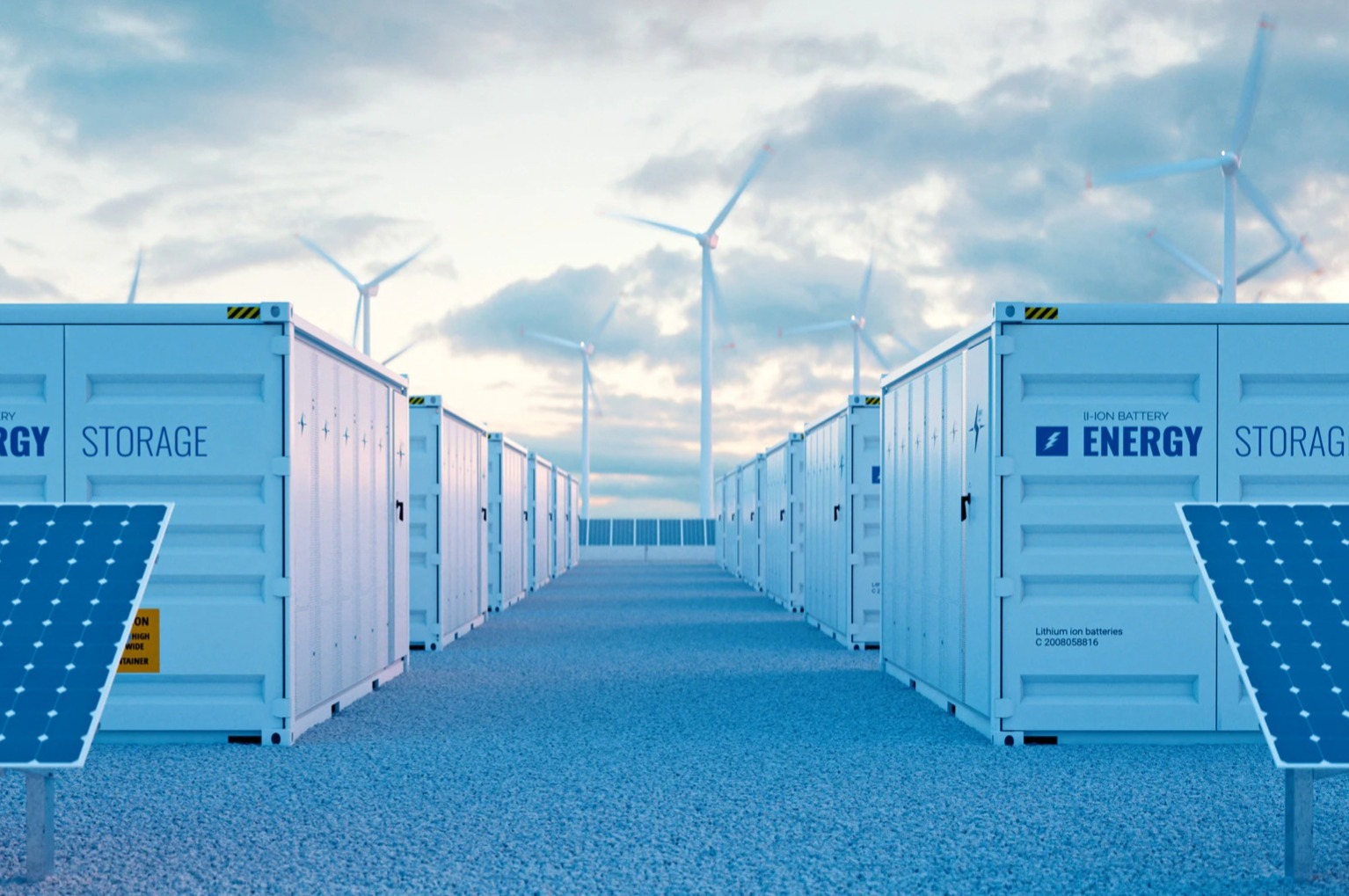
As the UK moves closer to its net zero goals, demand for renewable energy is set to reach record levels by 2030. While many renewable projects have already been approved, the next major challenge lies in upgrading the UK’s electricity grid to keep pace and ensure it has the capacity needed to support growing energy demand and deliver clean power across the country.
Renewables Capabilities Soar
2025 was a record year for renewables, with things only set to improve in 2026. The UK government’s clean power targets state that by 2030, offshore wind must provide more than half of the country’s electricity, with onshore and solar providing 29%.
According to the IEA, renewable power capacity is set to increase globally by almost 4 600 GW between 2025 and 2030, double the deployment of the previous five years. Renewables are also expected to account for more than 90 per cent of global electricity capacity expansion over the forecast period to 2027.
Why the Grid Matters
While the growth of renewable energy in the UK is good news, it raises an important question: can the grid expand fast enough to support it? As demand from homes and businesses continues to rise, the UK’s electricity grid must grow and adapt to handle increasing volumes of clean power.
At present, there is insufficient grid capacity to accommodate all the renewable energy being generated, meaning power is sometimes curtailed and wasted. In 2022 alone, these constraints cost consumers around £2bn. Expanding and upgrading the grid is essential to reduce these costs, unlock additional renewable capacity, and ensure clean energy can be delivered reliably to more homes and businesses across the UK.